


How is Implant Application Performed?
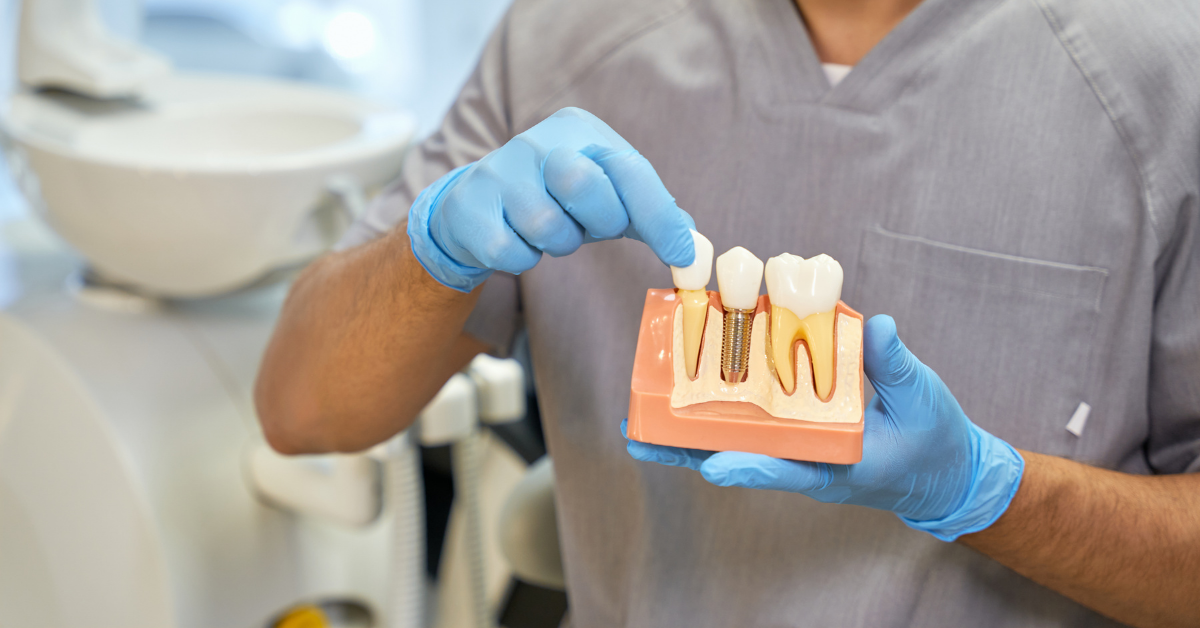
Implant Application
- Implant application is an effective method used to eliminate tooth deficiencies. This procedure is performed with an artificial tooth root attached to a titanium screw (implant) placed in the jawbone.
Application stages:
1-Examination and Planning
Your dentist will thoroughly examine your mouth and determine if you are suitable for an implant. The density of your jawbone, your gum health, and your general health are evaluated. The structure of your jawbone is examined in detail with 3D imaging methods (CT or CBCT). The points where the implants will be placed and the prostheses to be made are determined.
2- Surgical Stage:
Performed under local anesthesia or sedation. The gingiva is opened and a small socket is made in the jawbone for the implant. Titanium implants are screwed into this socket. Bone augmentation (graft) may be required in cases of bone insufficiency. After the implant is placed, the gingiva is sutured and closed. Today, there are also special sutures in monofilament structure (designed to prevent food residues) that can be reabsorbed spontaneously and not, and these types of sutures are generally used in implant surgery.
3-Healing Process:
A certain period of time is waited for the implants to fuse with the bone. This period can vary between 2-6 months depending on bone density and individual differences. Temporary prostheses can be used for aesthetic concerns during the healing process.
4-Prosthesis Application:
After the implants fuse with the bone, a connecting part called an abutment is placed on them. A porcelain or metal-porcelain crown, bridge, or prosthesis is attached to the abutment. Regular check-ups are made after treatment. The patient is given instructions on oral hygiene and implant care.
5-Procedure Time:
A single implant placement procedure, including the preparation of materials, usually takes 30-60 minutes. However, the treatment can take 2-6 months with the healing process and prosthesis application. The process may vary for each patient. If the jawbone is insufficient, additional procedures (bone graft, sinus lift) may be required. These procedures can also lengthen the process. Your dentist will determine the most appropriate treatment plan for you.
How Should Planning Be İn Implant Treatment?
Planning is a critical process for the success of implant treatment. Therefore, if we address this issue in detail;
1-Patient Evaluation:
General health status (diabetes, heart disease, etc.) is checked. Smoking and oral hygiene are evaluated. For example; The HbA1C value is important in implant treatment, especially in diabetic patients. If this value is above 6, it negatively affects the connection and success of the implant with the bone after it is placed.
2-Radiographic Examination:
The bone structure and density are examined with panoramic X-ray and 3D tomography. The position of the sinuses and nerves is evaluated.
3-Determining the Implant Type and Number:
Implant options are determined for single, multiple, or completely edentulous cases according to the number of missing teeth. Implant size and angle are planned.
4-Surgical Method Selection:
Standard, immediate implant (same day placement), or flapless implant methods are evaluated.
5-Prosthesis Planning:
The design of temporary and permanent prostheses is made. Chewing balance and aesthetic needs are taken into consideration.
6-Bone and Tissue Deficiency Cases:
If the bone is insufficient, grafting (bone augmentation) or sinus lift procedures are planned.
7-Treatment Schedule:
Standard treatment: 2-6 months healing process. Accelerated treatment: Same day temporary tooth application.
8-Follow-up and Care:
Regular check-ups are planned and recommendations are given for oral hygiene. Careful and meticulous implementation of these steps ensures that the implant gives a long-lasting and aesthetic result.
How Is Flapless Implant Treatment Applied?
The flapless implant is a less invasive and more comfortable treatment option compared to traditional implant methods. In this method, a small hole is made with the help of a special laser without incising the gingiva, and the implant is placed in this hole. The absence of sutures speeds up the healing process and allows the patient to return to their daily life in a shorter time.
Advantages of Flapless Implant:
The risk of infection is reduced and the healing process is shorter because there are no sutures. There is less pain and swelling compared to traditional methods. Thanks to the absence of incisions, the treatment is more comfortable. It provides an aesthetic appearance as there is no suture mark. The procedure time is shorter.
How is Flapless Implant Made?
Your dentist examines your mouth structure in detail with 3D imaging methods (CBCT) and determines the most suitable position for the implant to be placed. Local anesthesia is applied so that you do not feel any pain during the procedure. A small hole is made with a laser in the gingiva where the implant will be placed. The implant is carefully placed in the opened hole. The area is closed without any stitches after the procedure.
Who Can Have Flapless Implant?
Almost anyone with a suitable jawbone structure and good general health can benefit from flapless implant treatment. However, the final decision is made by your dentist after a detailed examination.
What are the Disadvantages of Flapless Implant?
- It must be placed by an experienced surgeon who has thoroughly analyzed the case and has good knowledge of anatomy.
- It should be done carefully as the operation area is not fully visible.
- May not be suitable for all cases: The traditional implant method may be more suitable in some complex cases.
- The cost may be slightly higher than other methods.
- In some cases, if it is done using surgical guides obtained with digital techniques, the risk of error is minimized. Obtaining a surgical guide is also an extra procedure and cost.