


Gum Surgical Treatments
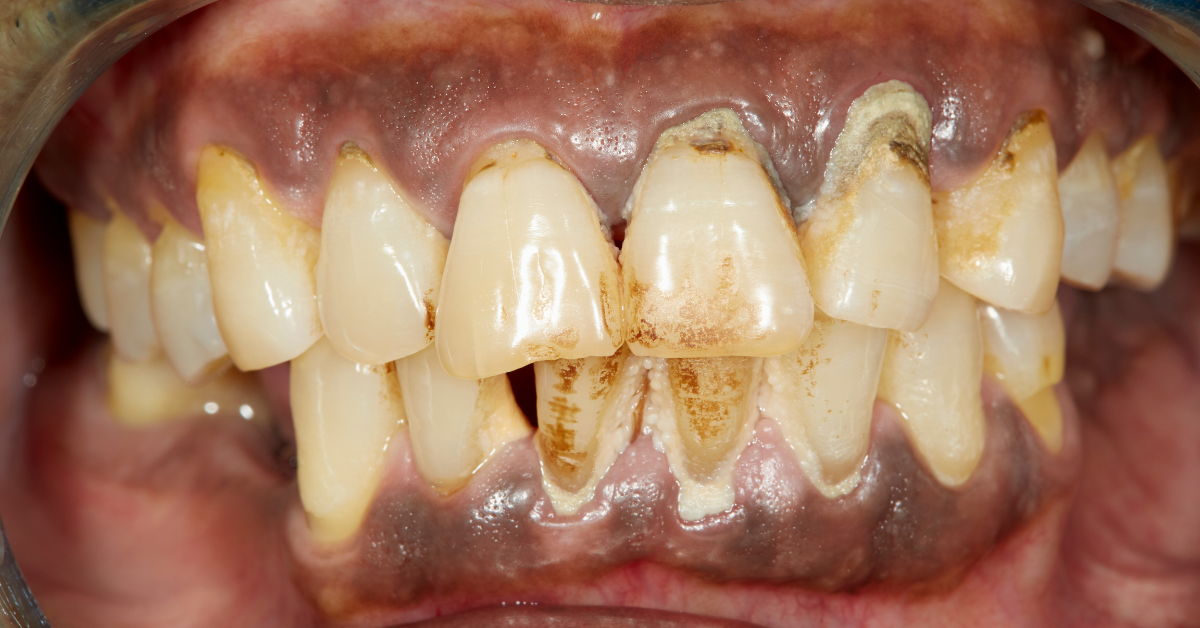
Gum surgical treatments include procedures performed to treat gum diseases, improve the aesthetic appearance of the gums, and maintain the health and function of periodontal tissues (gums, bone, and connective tissues). These treatments are commonly performed for periodontal diseases, gum recessions, gum overgrowth, aesthetic corrections, and to regulate the harmony between teeth and gums.
Gingivectomy and Gingivoplasty
• Gingivectomy is the surgical removal of excess gum tissue in cases where periodontal pockets deepen or when there is excessive gum growth.
• Purposes of Gingivectomy:
• Allows cleaning of plaque and tartar under the gum
• Removes tissue overgrowth due to medications or other conditions
• Creates a smoother and healthier gum contour
• Gingivoplasty is the reshaping of the gum tissue to provide a more aesthetic and functional appearance. It is used to correct smile aesthetics and to give the gum a symmetrical structure.
Treatment of Gum Recessions
Gum recession exposes the root surfaces of the teeth, leading to sensitivity, decay, and aesthetic concerns. Treatment methods vary depending on the severity of the recession.
• Connective Tissue Graft: Tissue is harvested from the palate and transplanted to cover the recessed area.
• Treats gum recession
• Provides aesthetic improvement
• Increases periodontal stability
• Free Gingival Graft: Gum tissue is taken from the palate and used to increase the amount of keratinized gum. It is generally used in larger areas.
• Lateral Sliding Flap: Gum tissue is moved from neighboring areas to cover the recession.
• Vestibuloplasty: Enhances gum thickness and improves denture retention.
• Reduces sensitivity
• Provides aesthetic benefit
Periodontal Flap Surgery
This method is used to clean infected gum tissues and improve the health of the tooth-gum interface.
• The gum is lifted to access the root surface
• Plaque, tartar, and infected tissue are removed
• The gum is sutured back into place
Advantages:
• Reduces periodontal pocket depth
• Protects gum and bone health
Guided Tissue Regeneration (GTR)
GTR is a surgical procedure designed to regenerate gum and bone tissue lost due to periodontal disease.
• Barrier membranes, bone grafts, or growth factors are used
• Commonly used in advanced periodontal diseases and bone loss
Crown Lengthening (Gum Extension)
This procedure involves removing excess gum tissue to increase the visible length of a tooth.
Applications:
• Gummy smile correction
• Making a tooth more visible for restorations (e.g., fillings, crowns)
Papilla Reshaping
Papilla reshaping is used when the gum tissue between the teeth is lost. It corrects black triangles and improves smile aesthetics.
Laser-Assisted Gum Surgery
These minimally invasive procedures utilize laser technology.
• Reduced bleeding and recovery time
• Commonly used in gingivectomy, gingivoplasty, treatment of gum recessions, and periodontal pockets
Gum Treatments Around Implants
Performed to ensure stability and aesthetic appearance of gum tissue in implant treatments.
• May include soft tissue grafts and laser reshaping
Frenectomy and Frenuloplasty
The muscle attachments (frenulum) are repositioned or removed to eliminate functional or aesthetic problems.
• Effective in prosthetic and periodontal treatments
• Improves oral hygiene and aesthetics
• Used in cases of tongue-tie or lip-tie that affect speech, feeding, or cause gum recession
• Mild bleeding and swelling may occur within 24 hours
• Healing progresses within 1–2 weeks
• Full recovery of tissue usually occurs within 1–3 months
Summary
Gum surgeries offer comprehensive solutions for both functional and aesthetic concerns. The treatment plan is tailored based on the patient’s clinical condition, needs, and expectations. These procedures are critical for maintaining long-term periodontal stability and a healthy oral structure.