


Advantages Of Implant Treatment
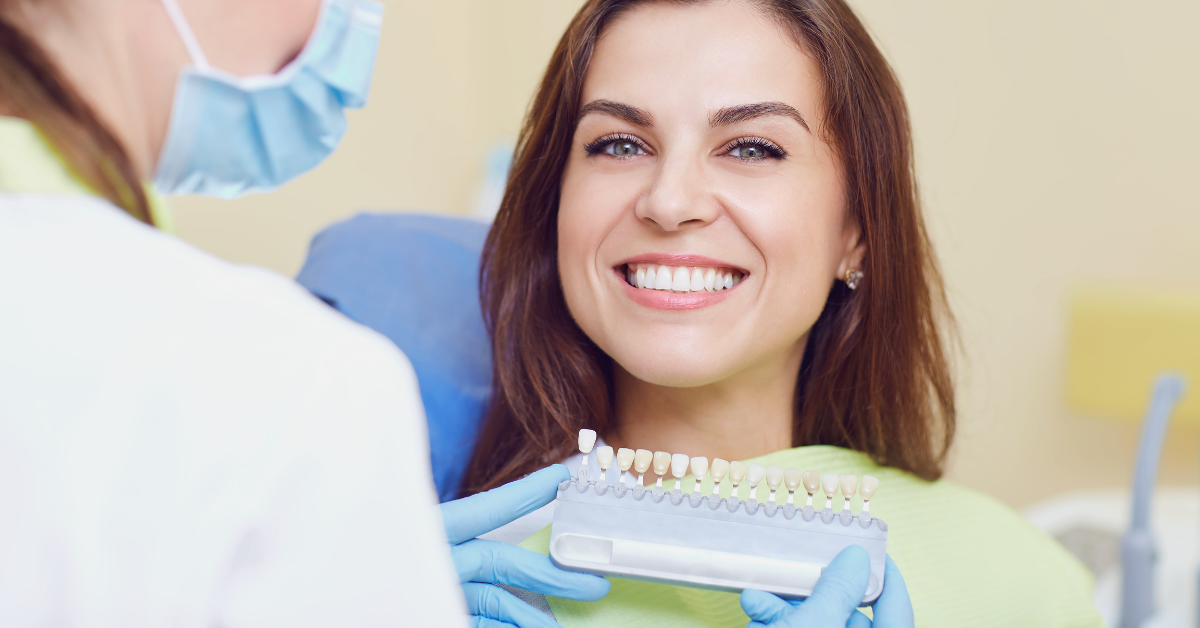
Closest Experience to Natural Teeth
Implants are placed in the jawbone and function like natural tooth roots. This allows you to perform functions such as chewing, speaking, and laughing in the same way as you would with your natural teeth. Therefore, the patient will not experience any aesthetic, functional, phonation, or psychological problems.
Aesthetic Appearance
Implants provide an appearance that is compatible with your natural teeth because they are specially designed. By replacing your missing teeth, you can achieve a more smiling and confident look.
Durability
Implants made of biocompatible materials such as titanium maintain their durability in the mouth for many years. With regular maintenance, it can be used for life.
Does Not Harm Neighboring Teeth
Unlike other treatment methods such as bridges, implants do not require cutting of adjacent teeth. This way, you protect your healthy teeth.
Prevents Bone Resorption
Tooth loss causes the jawbone to melt away over time. Implants prevent this melting by applying a load to the jawbone and help protect your jaw structure. Thanks to implants, the chewing force is transmitted directly to the jawbone as in natural teeth and bone loss is prevented.
Comfortable Use
Implants feel like your own teeth. It makes your daily life easier as there is no need to put on and take off.
Oral Hygiene
Implants can be brushed and flossed just like your other teeth. This way you can easily maintain your oral hygiene.
Long-Term Solution
A successful implant treatment can serve you for many years.
Wide Application Area
Applicable in various deficiencies: Implant treatment can be applied in many cases, from a single missing tooth to complete toothlessness.
Increased Self-Confidence
A beautiful smile and a healthy mouth increase your self-confidence and positively affect your social life.
- Due to tooth deficiency, the occlusion and positions of the teeth may change. The teeth move towards wherever there is a gap in the mouth. Adjacent teeth will tilt; the teeth in the opposite jaw will extend. As a result, the occlusion (closure) will be disrupted. Chewing difficulties, early contacts, and joint problems will occur. If the missing teeth are completed with implant treatment without waiting, both the jawbone will be preserved and the positions of the teeth will not change.
- In cases of toothless termination, the patient has to use a removable prosthesis. These patients experience many difficulties while eating and speaking. Removable prostheses move during the eating process. Patients have to prefer softer foods because they have difficulty chewing. The difficulty in eating experienced during meals over time, the lack of grinding of food will cause problems in the digestive system. In addition, aesthetic and phonation problems should not be forgotten in terms of patient self-confidence.
- In summary, implant treatment is a natural, durable, aesthetic, and long-lasting solution for people with missing teeth. While missing teeth are completed with implant treatment, adjacent healthy teeth and jawbone are also preserved. The lost function, phonation, and aesthetic smile are fully restored to the patient, and possible psychological problems are also prevented.
- On the other hand, being more costly than other dental treatments, requiring surgical intervention, and having a long treatment time are among the disadvantages of implant treatment. Especially smoking and bone resorption can negatively affect implant success.