


Endodontics and Pain Management
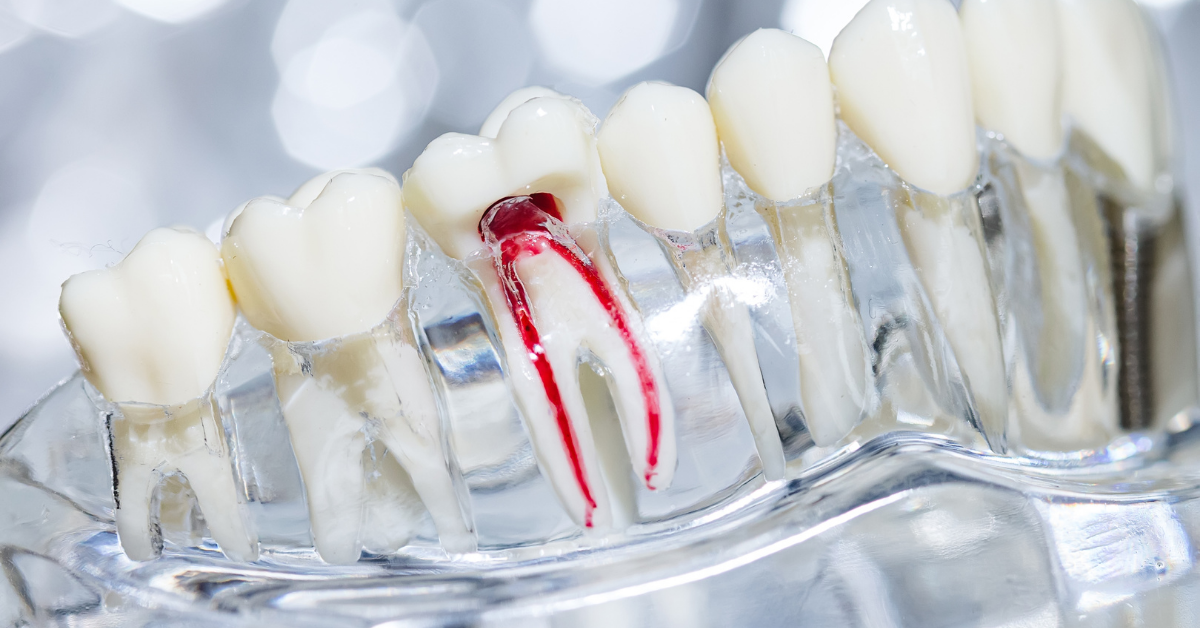
Endodontic treatment, also known as root canal therapy, is often applied when tooth decay reaches the pulp tissue. This process is closely related to pain management, as both pre-treatment and post-treatment stages involve varying levels of discomfort depending on the severity of the condition.
Pain Before Treatment
When tooth decay progresses to the pulp (nerve tissue), the pain begins as short-term sensitivity and can later turn into intense, long-lasting discomfort.
- Nighttime Pain: One of the most common signs is pain that wakes the patient up at night.
- Localized Pain: Depending on how deep the decay is, pain may be limited to hot/cold sensitivity or become constant.
- Use of Painkillers and Antibiotics:
- In early stages, over-the-counter painkillers may be sufficient.
- In cases of infection (especially with swelling or abscess), antibiotics may be needed.
- Recommendation: Always consult your dentist before taking antibiotics.
Pain During Treatment
- Local Anesthesia: Root canal treatment is performed under local anesthesia, so the patient typically does not feel any pain.
- Painful Tooth Anesthesia: If the patient arrives in pain, extra anesthesia or stronger anesthetic agents may be required to fully numb the area.
- Anxiety-Related Sensitivity: In some cases, tension and anxiety can increase the perception of pressure or discomfort during the procedure.
Post-Treatment Pain
After root canal treatment, mild pain or sensitivity may persist for 1–2 days. This is usually a normal reaction due to:
- Instrument contact with surrounding tissue
- Tissue healing process
- Temporary inflammation at the root tip+
Most patients report that the pain after treatment is significantly less than the pain before treatment.
Pain Due to Nerve Damage or Abscess
- Nerve Pressure: Infected tissue can create pressure on the nerve, causing throbbing pain.
- Antibiotic Requirement: If there is swelling, redness, or persistent pain, antibiotics may be prescribed by the dentist.
- Occlusion Sensitivity: After treatment, when the upper and lower teeth come into contact, a feeling of “tooth height” may occur. This sensation usually subsides as inflammation decreases.
Use of Painkillers
- Ibuprofen (e.g., Nurofen, Advil): Commonly recommended due to its pain-relieving and anti-inflammatory properties.
- Paracetamol: May also be used in mild cases or for patients who cannot take ibuprofen.
- Dentist’s Advice: Painkillers should always be used under professional guidance, especially if there is an underlying infection or systemic condition.
Remember: Pain during endodontic treatment is manageable and temporary. With the right intervention, the natural tooth can be preserved and the source of discomfort eliminated safely.