


Orthodontic Treatment In Children
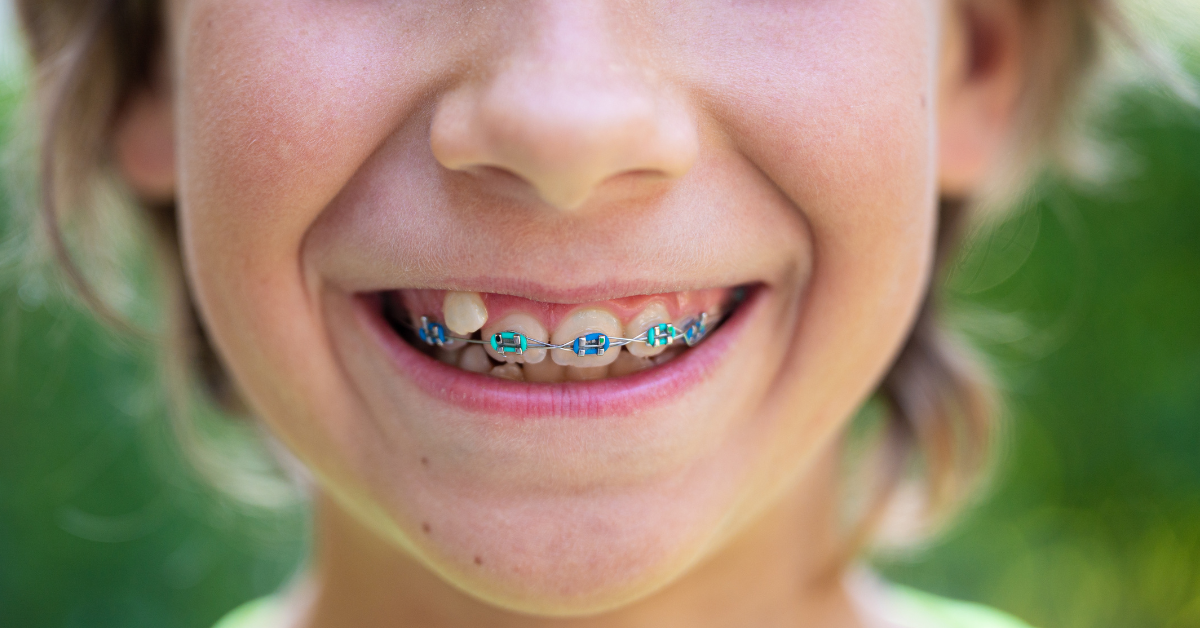
Early Treatment
Many problems, such as jaw protrusion or narrowness, can be treated much more easily and economically if diagnosed early by an orthodontist.
The importance of early treatment and the question, “When should orthodontics begin?” are topics that many people seek answers to. Although orthodontic treatment can be applied to patients of all ages, early treatment offers various advantages for patients. For this reason, the first orthodontic examination at the age recommended by the orthodontist is highly beneficial.
Advantages Of Early Treatment
Identifying most orthodontic problems early provides several advantages in resolving them. Problems can be solved much more quickly when identified at an early stage. Moreover, diagnosing the issue early and starting treatment promptly can complete orthodontic treatment more economically.
When Should Orthodontic Treatment Begin?
The answer to “When does orthodontic treatment start?” is often researched. Orthodontic examinations should be completed by the age of 7. The American Association of Orthodontics also recommends that children undergo an orthodontic check-up before the age of 7.
Particularly answering the question, “At what age is jaw treatment performed?” check-ups done at this age can detect jaw and dental development problems early, even when the child still has baby teeth. This makes treating orthodontic problems detected early much easier. While active treatment for many orthodontic patients begins between the ages of 9 and 14, skeletal issues can be resolved before the child’s growth phase ends.
Following the first orthodontic examination, issues like jaw narrowness, jaw protrusion or recession, and crowding due to early loss of baby teeth can be evaluated. Furthermore, treatment can begin early for problems like thumb sucking, mouth breathing, or tongue thrusting. Thus, issues that might require surgery in the future can be resolved using only simple appliances.
As for the question, “At what age are braces placed?” it should be noted that there is no upper age limit. Treatment typically starts between the ages of 9 and 14 in children, as determined by the treatment plan outlined by the orthodontist after the initial examination.
In early orthodontic treatments, removable appliances are generally used. For effective treatment, patients must wear these appliances for at least 20 hours daily, as instructed by their orthodontist.
Particularly after early treatments, orthodontic braces may be required again around the age of 12, once the permanent teeth have erupted. This subsequent treatment is usually shorter and simpler. Early treatments can correct forward or backward positions of the lower and upper jaws. At the same time, narrow lower and upper jaws can be expanded.
Situations Requiring Orthodontic Treatment In Children
- Gaps Between Teeth: These may occur due to genetic factors or early tooth loss, affecting chewing efficiency.
- Malocclusion (Crooked Teeth): Misalignment of the upper and lower teeth can lead to various dental and jaw problems.
- Mouth Breathing: Prolonged mouth breathing can negatively affect dental and jaw development.
- Early Or Late Loss Of Baby Teeth: Premature or delayed loss of baby teeth can affect the alignment of permanent teeth and jaw development.
- Improper Swallowing Or Tongue Thrusting: These can cause teeth to be pushed forward, leading to crowding.
Early Warning Signs Indicating The Need For Orthodontic Treatment
- Thumb Sucking, Prolonged Use Of Bottles Or Pacifiers: These habits can disrupt the natural development of teeth and jaws, leading to orthodontic issues.
- Cheek Or Lip Biting: An abnormal bite structure may cause frequent biting of cheeks or lips, signaling crooked teeth or misaligned jaws.
- Mismatch In Facial And Jaw Structure: Misalignment in the appearance of teeth, lips, jaws, or other facial features may indicate underlying orthodontic problems.