


Types of Orthodontic Treatments
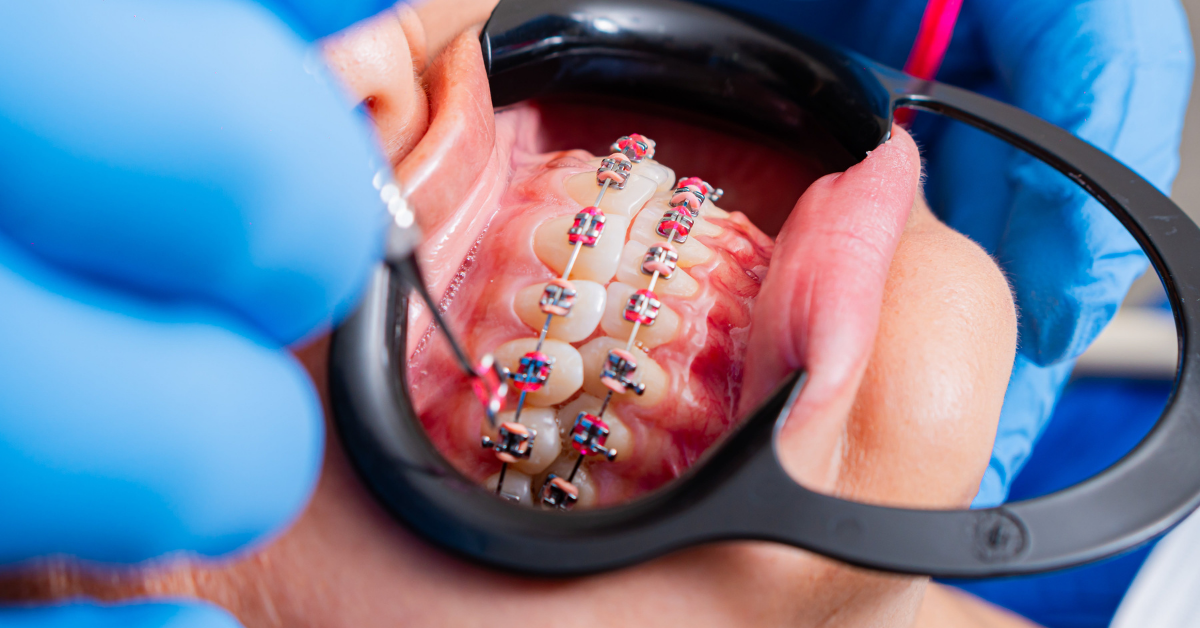
Metal Braces (Traditional Braces)
Metal braces, also known as traditional braces, are the most commonly used fixed orthodontic devices in conventional orthodontic treatment. In some orthodontic procedures, tooth extraction may be necessary to align the teeth properly, while in other cases, space can be created without extraction through an IPR (Interproximal Reduction) procedure to allow teeth to move. After sufficient space is created with IPR, these stainless steel brackets are directly bonded to the labial (outer) surfaces of the teeth using dental adhesives.
The primary purpose of metal braces is to facilitate the gradual movement of teeth into the desired position using arch wires. During the treatment process, these wires are periodically adjusted to apply continuous and controlled force on the teeth. This force allows the teeth to slowly move within the alveolar bone, ultimately achieving proper alignment and occlusion.
Treatment Duration with Metal Braces:
The treatment duration generally ranges from 6 to 24 months, depending on the severity of the malocclusion, the speed of tooth movement, and the patient’s adherence to the treatment plan. However, it can be shorter or longer based on individual circumstances.
Ceramic Braces (White Braces)
Ceramic braces, commonly referred to as white braces, are an aesthetic alternative to metal braces and play an essential role in aesthetic orthodontic treatments. These braces are made of high-quality, transparent, or tooth-colored ceramic materials, making them less noticeable on the teeth. This feature makes ceramic braces particularly appealing to adult patients with aesthetic concerns.
Ceramic braces are fixed to the labial (outer) surfaces of the teeth using specialized dental adhesives. Along with archwires, they apply force to guide teeth into the desired positions. The treatment process carefully controls the movement of the teeth within the alveolar bone to achieve optimal alignment and occlusion.
Treatment Duration with Ceramic Braces:
The duration is generally similar to that of metal braces, ranging between 6 to 24 months. However, due to their fragile nature and the need for meticulous handling during wire adjustments, treatment with ceramic braces might take slightly longer in some cases.
Invisalign (Clear Aligners)
Invisalign treatment involves the use of clear aligners to align teeth and improve occlusion. This modern treatment method has gained global acceptance, with Invisalign being the most recognized system. It has successfully treated millions of patients worldwide, demonstrating its effectiveness. Although other clear aligner systems exist, Invisalign is often preferred in clinical practice.
For more detailed information about orthodontic treatment with clear aligners, you can schedule an appointment with your clinic.
Self-Ligating Braces (Bracket Systems with Clips)
Self-ligating braces, also known as clip braces, represent an innovative type of braces used in orthodontics and are sometimes referred to as accelerated orthodontic treatment. Unlike traditional braces, this system does not require elastic or metal ties to secure the archwires. Instead, a small clip mechanism on the brackets allows archwires to move freely, enabling more efficient and often quicker tooth movement.
Self-ligating braces come in two main types: active and passive. Active self-ligating braces apply continuous force to the teeth, allowing greater control over movement. Passive self-ligating braces reduce friction, potentially speeding up the treatment process.
Treatment Duration with Self-Ligating Braces:
The duration typically ranges from 6 to 24 months, depending on the severity of the malocclusion and the complexity of the treatment plan. In some cases, this method may reduce the overall treatment time compared to traditional braces.
Lingual Braces (Invisible Braces)
Lingual braces, also known as invisible braces, are fixed to the lingual (inner) surfaces of the teeth, making them invisible from the outside. This method offers an aesthetic alternative to traditional braces but requires high levels of expertise due to the complex anatomy of the inner surfaces of teeth. Lingual braces are custom-made for each patient, providing a personalized treatment approach.
Because these braces are hidden behind the teeth, maintaining oral hygiene is crucial to prevent plaque buildup, which can lead to cavities and gum diseases. Regular brushing and flossing are essential throughout the treatment process.
Treatment Duration with Lingual Braces:
The duration typically ranges from 18 to 36 months, depending on the severity of the malocclusion and the complexity of the treatment.
Temporary Anchorage Devices (TADs)
Temporary Anchorage Devices (TADs) are small, screw-like appliances made of biocompatible materials, such as titanium, used in orthodontics to provide a fixed anchorage point within the alveolar bone. These devices are particularly useful for achieving specific and challenging tooth movements that may not be possible with traditional methods.
Advantages of TADs:
• Effective for moving specific teeth backward or forward
• Helpful in closing gaps between teeth
• Useful in moving molars distally (toward the back of the mouth)
Procedure:
TADs are placed under local anesthesia in a minimally invasive procedure, causing minimal discomfort. They typically remain in place for several weeks to months, depending on treatment needs, and are easily removed after achieving the desired outcomes.
Functional Orthodontics (Orthopedic Treatment)
Functional orthodontics, also referred to as orthopedic treatment, aims to guide the growth and development of jaw bones during a child’s growth phase. For instance, if the lower jaw is underdeveloped, functional orthodontic treatment accelerates its growth to align it with the upper jaw.
The patient’s age plays a critical role in this treatment, as it cannot be performed after growth and development are complete. During the growth phase, various orthodontic appliances, known as functional appliances, are used to guide jaw development.
Types of Functional Appliances:
- Removable Functional Appliances: These are dependent on patient compliance. The success of treatment relies on consistent appliance use as recommended by the orthodontist. Removable appliances also offer the advantage of easy cleaning.
- Fixed Functional Appliances: Fixed appliances are secured inside the mouth and cannot be removed by the patient. These are especially beneficial in cases where patient cooperation is challenging. Proper oral hygiene and adherence to orthodontist guidelines are essential for effective treatment outcomes.