


Immediate Implant Application
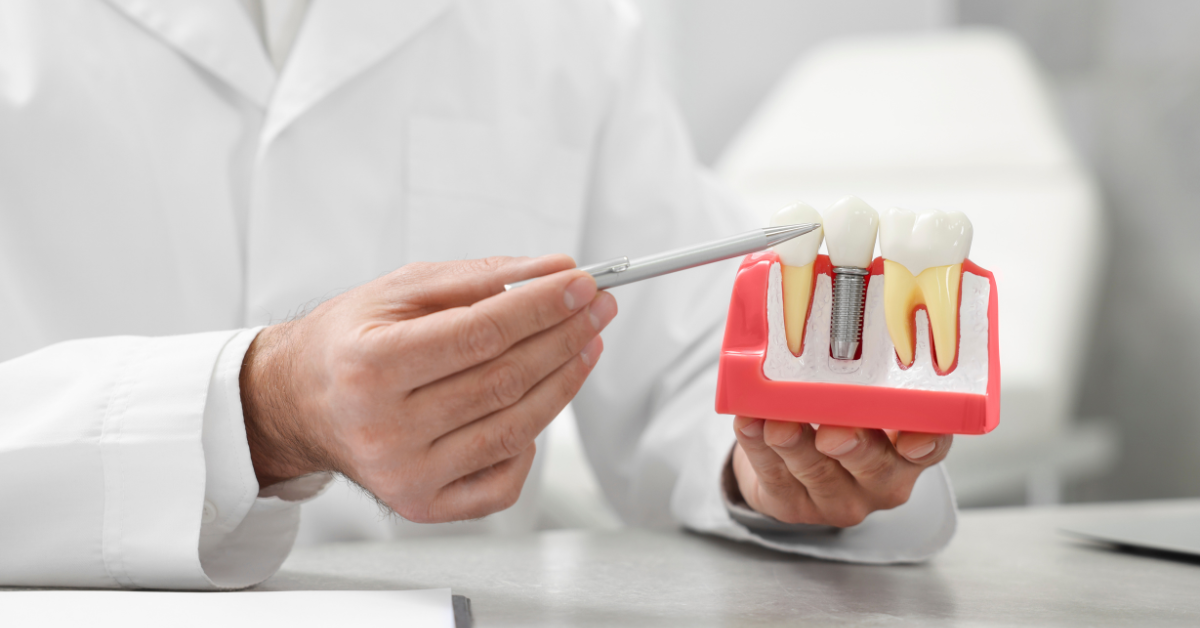
Immediate implant placement is the process of placing the implant in the same session as the tooth extraction. This method is frequently preferred today because it shortens the treatment time and provides aesthetic advantages. The procedure is performed by an experienced surgeon with careful planning and application.
Immediate implant application is a method that offers fast and effective results. However, this treatment method requires careful planning and application by an experienced physician. Regular check-ups and attention to oral hygiene after treatment increase the success of the implant.
Patient Examination and Planning
Radiological Examination
- The structure of the jawbone, the location of the sinuses and bone density are evaluated with panoramic x-ray and 3D dental tomography.
Tooth and Tissue Analysis
- The reason for tooth extraction (fracture, infection, caries, etc.) is examined in detail.
- Gum health is evaluated.
Planning
- The area and angle where the implant will be placed is determined.
- The patient’s general health status and systemic ailments are taken into consideration.
Local Anesthesia and Tooth Extraction
The procedure is performed under local anesthesia and the patient does not feel pain. Tooth extraction should be done atraumatically without damaging the surrounding tissues. After extraction, infected tissues in the socket (the space where the tooth was extracted) should be completely cleaned. Otherwise, it will negatively affect the success of the implant in the future.
Implant Placement
After tooth extraction, the size and shape of the socket are checked. Afterwards, the place of the implant in the bone is carefully prepared using surgical burs specific to the implant brand. The titanium implant is placed at a pre-determined angle and in the appropriate position.
Stability control is performed after implant placement (primary stability). Good primary stability means that the implant is firmly fixed in the bone at the time of placement. It is important to ensure primary stability in immediate implant applications.
Placement of Temporary Prosthesis (Immediate Loading)
A temporary prosthesis can be placed to meet the patient’s aesthetic needs after the implant is placed. This prosthetic tooth is placed on the implant, providing the patient with an immediate aesthetic and functional solution. The prosthesis is designed in such a way that it does not affect the healing process of the implant (occlusal contact points are balanced).
Healing Process (Osseointegration)
A healing process of 2–6 months is required for the implant to fuse with the bone. The patient is given oral hygiene and diet recommendations during this process. The condition of the implant is followed up with regular check-ups.
Placement of Permanent Prosthesis
After the healing process is completed, the temporary prosthesis is removed. The abutment (the connecting part placed on the implant) is attached. A custom porcelain or zirconium crown is prepared and placed on the implant.
Advantages of Immediate Implant
- The treatment time is shortened.
- Since the temporary tooth will be placed immediately, the patient does not experience any aesthetic or functional discomfort.
- Bone loss after extraction is kept to a minimum.
- No second surgical intervention is required.
- Gum shaping is easier.
Suitable Cases for Immediate Implant
Immediate implant can be easily applied:
- In patients with sufficient bone volume and density
- In patients with non-infected and healthy gums
- In individuals whose systemic diseases are under control
Cases Not Suitable for Immediate Implant
It is inconvenient to apply in cases of:
- Insufficient jawbone
- Acute infection or inflammation
- Uncontrolled diabetes
- Systemic conditions such as chemotherapy/radiotherapy
- Smoking
- Poor oral hygiene