


Laser-Assisted Periodontal Treatments
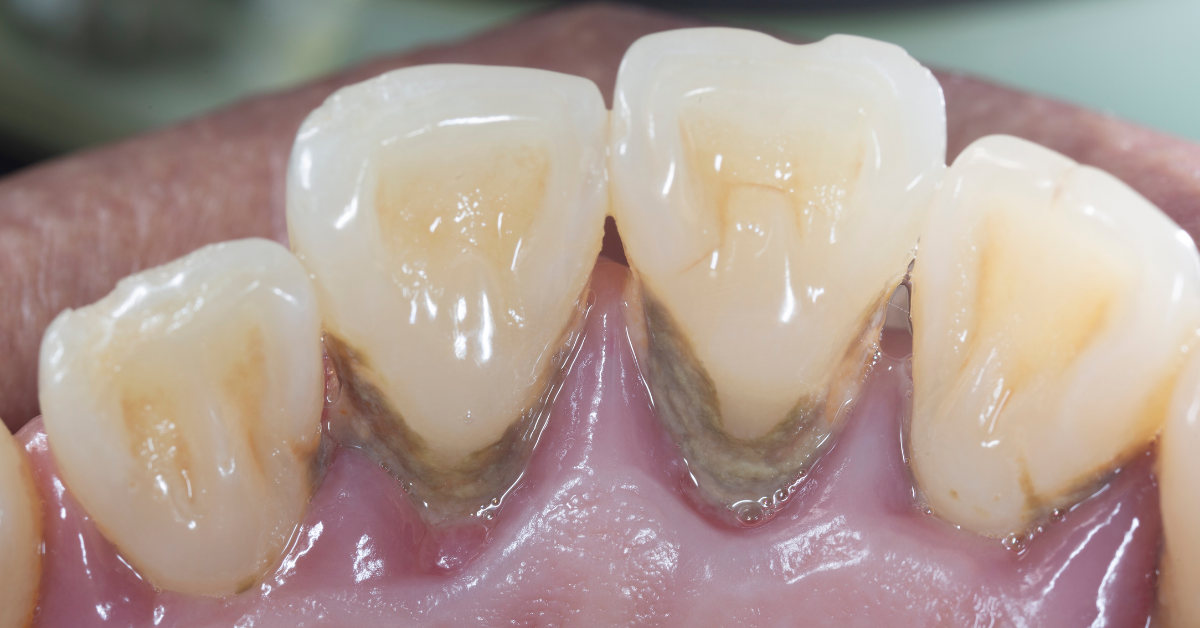
Laser technology, which is used as an alternative to traditional methods in the treatment of gum diseases, offers many advantages. Laser technology offers a precise and effective solution in periodontal treatments. Laser-assisted treatments are highly successful in cleaning infected tissues and protecting healthy tissues. Laser is frequently used in gum pigmentation removal, infection control, and gum shaping procedures. Laser applications shorten the post-operative recovery period and increase patient comfort. Moreover, since it is a minimally invasive method, it is perceived as less painful by patients.
Features of Laser-Assisted Periodontal Treatments
• Minimally Invasive: The laser targets only infected areas without damaging healthy tissues. This results in less pain, shorter recovery time, and less bleeding.
• High Precision: The laser beam reaches the depths of gum pockets, cleaning areas that cannot be reached by traditional methods, and effectively removes bacterial plaque.
• Sterilization: The high temperature of the laser beam sterilizes the area during treatment, reducing the risk of infection.
• Rapid Healing: The healing process after laser treatment is very fast.
• Comfortable Treatment: It can be performed without anesthesia or with minimal anesthesia.
Application Areas of Laser-Assisted Periodontal Treatment
• Cleaning of gum pockets: Infected gum pockets are cleaned with laser, preventing the formation of bacterial plaque and tartar.
• Gum shaping: Gum shaping is performed when necessary to achieve a more aesthetic appearance.
• Treatment of gum inflammation: It is effective in the treatment of gum inflammation (gingivitis) and more serious periodontitis diseases.
• In implant treatments: Laser treatment is applied before and after implant placement to ensure better adhesion of the implant.
Advantages of Laser Treatment
• Less bleeding: Laser coagulates blood vessels, reducing bleeding.
• Less pain: Less pain is felt during and after treatment.
• Shorter recovery time: Faster healing is observed compared to traditional methods.
• More effective cleaning: The laser reaches the depths of the gum pockets and provides a more effective cleaning.
• More aesthetic results: More natural and aesthetic results are obtained in gum shaping procedures.
Who Can Have Laser Treatment?
Anyone with or at risk of gum disease can benefit from laser treatment. However, it is important to consult a dentist before starting treatment.
Disadvantages of Laser Treatment
• High cost: Laser treatment can be more expensive than traditional methods.
• Not applied by all dentists: Dentists who have received special training for laser treatment are needed.
Biostimulation in Laser Treatments in Dentistry
Biostimulation is a laser application frequently used in dentistry, especially in soft tissue treatments. It is based on the principle that low-dose laser light accelerates tissue healing, reduces pain, and reduces the risk of infection.
How Does It Work?
• Cell Activation: Laser light accelerates repair by increasing energy production in cells.
• Inflammation Reduction: It reduces inflammation by increasing the activity of white blood cells that fight infection.
• Collagen Production: It stimulates the production of collagen, which plays an important role in the formation of new tissue.
• Pain Relief: It reduces pain by reducing the sensitivity of the nerves.
Where Is It Used?
• Gum diseases: Reduces inflammation and provides tissue regeneration in gum diseases such as gingivitis and periodontitis.
• Canker sores and cold sores: Accelerates the healing process of such wounds.
• After surgery: Reduces swelling and pain after surgery, speeds up healing.
• Implant treatment: Helps to achieve more successful implants by strengthening the tissue around the implant.
Advantages
• Fast healing: The healing time after the procedure is shortened.
• Painless treatment: It can be applied without anesthesia or with very little anesthesia.
• Low risk of infection: The risk of infection is reduced thanks to the antibacterial effect of laser light.
• Minimally invasive: It damages tissues less.
Biostimulation stands out as a comfortable and effective treatment method in dentistry. It has many advantages such as rapid healing, pain reduction, and reducing the risk of infection. If you are experiencing gum diseases, canker sores, cold sores, or post-surgical recovery, biostimulation may be a suitable treatment option for you.