


Impacted Tooth Extractions (Wisdom Tooth Extractions)
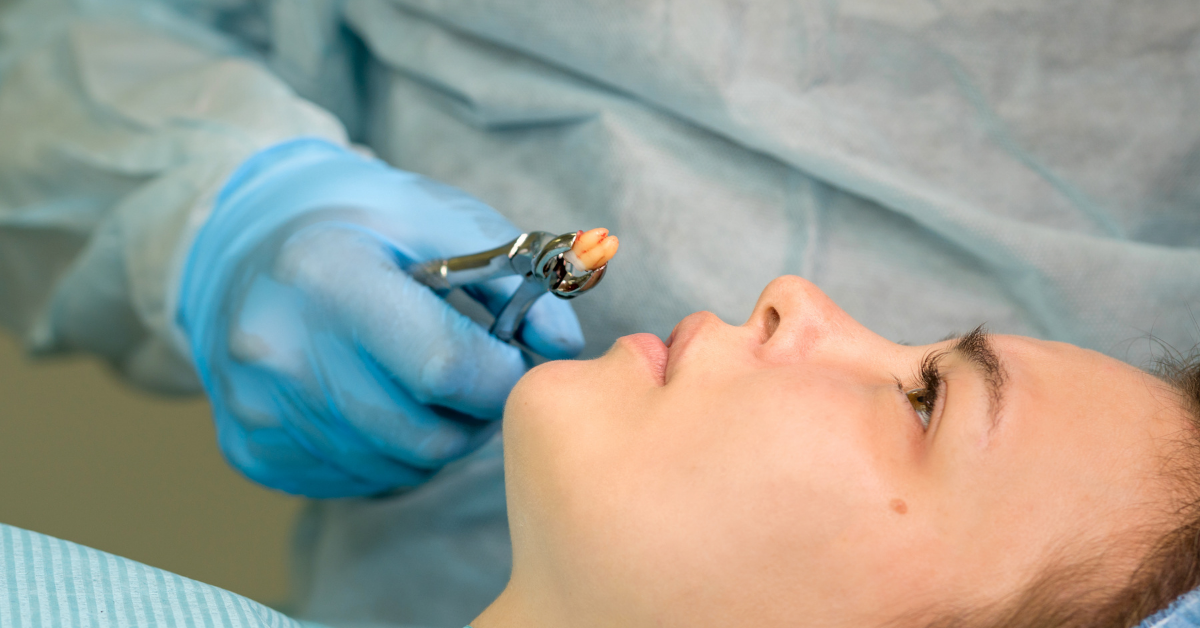
Impacted teeth are teeth that cannot erupt into their normal position in the mouth, usually remaining under the jawbone or gum. Most often, wisdom teeth (third molars), canine teeth, and sometimes molar teeth can remain impacted. Extraction of impacted teeth may be necessary to maintain oral and dental health. Sometimes impacted extra deciduous teeth can also be found in children. For this reason, it is important to regularly go to the dentist for check-ups. Impacted teeth can be a focal point of infection. If impacted teeth are detected by taking an X-ray showing at least the entire jaw, any potential problems in the future will be prevented.
Reasons for Impacted Tooth Extraction
• Pain and discomfort: Impacted teeth can cause pain by putting pressure on the surrounding tissues. It causes pain and crowding by putting pressure on neighboring teeth.
• Caries and infection: Impacted teeth can cause caries and gum infections in the surrounding teeth.
• Orthodontic problems: It can disrupt the alignment of other teeth and cause crowding. Teeth that have problems erupting due to jaw tightness.
• Cyst and tumor formation: Cysts or, rarely, tumors can develop around impacted teeth.
Impacted Surgical Extraction Process
Examination and Planning
• Your dentist will evaluate the position of the tooth with X-rays and make an extraction plan.
Anesthesia
• Local or general anesthesia can be applied.
Surgical Procedure
• The gum tissue and, if necessary, bone tissue over the tooth are opened.
• The tooth is sometimes removed by being divided into pieces.
Sutures and Healing
• The extraction area is closed with stitches and the healing process begins.
Things to Consider After Extraction
• Swelling, pain, and slight bleeding are normal.
• Edema can be reduced by applying a cold compress to the area within the first 24 hours.
• Extremely hot and hard foods should be avoided.
• Tampon should be used as recommended by the doctor to control bleeding.
• Oral hygiene should be taken care of, but the extraction area should not be brushed.
• Medications recommended by the doctor should be used for pain or swelling. The risk of infection is controlled with antibiotics and painkillers.
• Stitches are usually removed after 7–10 days.