


Dental Implant Surgery
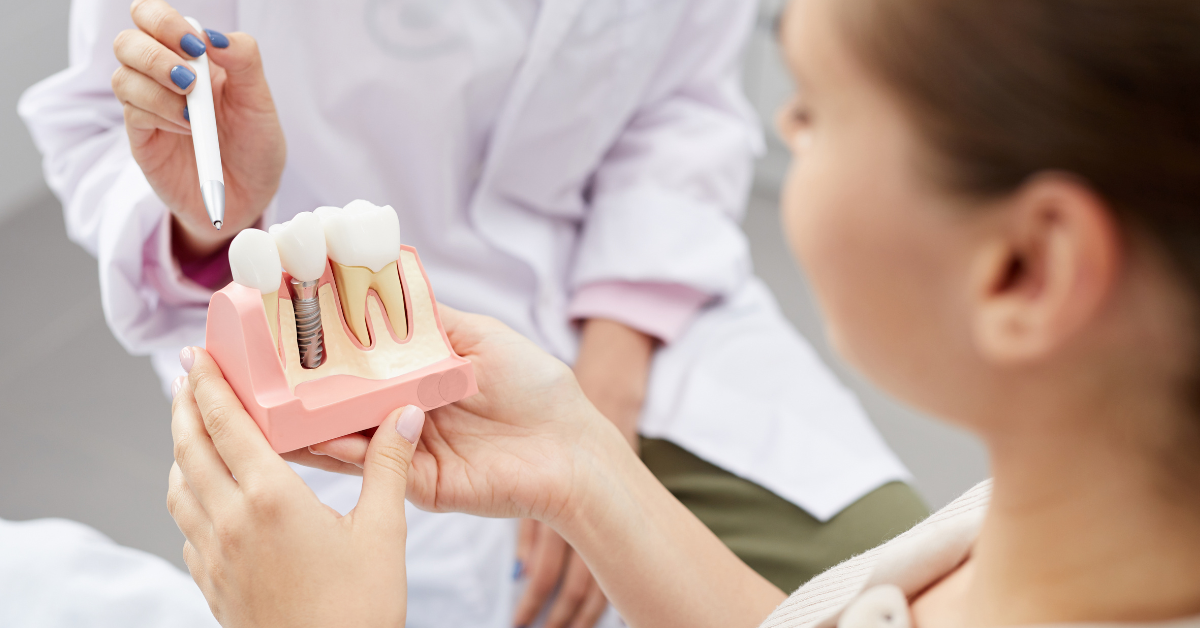
Dental implants are artificial tooth roots placed in the jawbone to replace missing teeth. These screws, usually made of titanium, allow prosthetic teeth to be fixed on them. These implants support superstructures such as prostheses, crowns or bridges. In modern dentistry, it is one of the most ideal solutions in terms of aesthetics and function.
Dental implant surgery is the procedure of placing artificial titanium roots (implants) placed in the jawbone instead of missing teeth. Dental implants, with proper planning and application, are a long-lasting and satisfactory treatment method both aesthetically and functionally.
Advantages of Implant Surgery
- Natural Appearance and Felt Comfort: The closest appearance and function to other teeth.
- Durability: Can be used for a lifetime with proper care.
- Bone Preservation: Prevents bone loss and supports the facial structure.
- Preservation of Adjacent Teeth: Does not damage other teeth like bridge prostheses.
Types of Dental Implants
- Endosteal Implants: Placed inside the jawbone. It is the most common type of implant used.
- Subperiosteal Implants: Placed on the jawbone, under the gum. It is usually preferred in patients with insufficient bone volume.
- Zygomatic Implants: Placed in the zygomatic bone in cases of bone loss in the upper jaw. It is a more complex technique.
Implant Surgery Process
1. Preliminary Examination and Planning
Detailed intraoral examination is performed. Bone density is evaluated. Jawbone and sinus regions are examined with imaging methods such as panoramic X-ray and tomography. The procedure can be performed directly for patients with sufficient bone volume. Grafting (bone addition) may be required in case of bone insufficiency. Conditions such as diabetes and osteoporosis are evaluated.
2. Surgical Procedure
A painless procedure is ensured with local anesthesia. The jawbone is surgically opened. The implant screw is placed in the jawbone. The gum is closed with stitches. Swelling, pain, and mild bleeding may occur in the first week. Control is provided with antibiotics and painkillers.
3. Osseointegration Process
2-6 months are waited for the implant to fuse with the jawbone. During this time, the implant integrates with the bone tissue (osseointegration).
4. Abutment Placement
An intermediate part called an abutment is attached to the implant. This allows the prosthetic tooth to be fixed.
5. Placement of the Prosthetic Tooth
In the final stage, the personalized prosthetic tooth, which is made by taking measurements, is placed on the implant. The prosthesis can be fixed or removable.
Risks of Implant Application
- Infection: Infection of the surgical site.
- Nerve Damage: In rare cases, if the procedure is performed in areas close to the nerves, there may be pain or numbness.
- Implant Loss: The implant may fail if full adaptation to the bone is not achieved.
- However, in implant treatment, if all parameters related to the patient are examined in detail from the beginning and treatment continues accordingly, there will be no problem. Of course, in these treatments, it is important for the patient to pay attention to oral hygiene and reduce smoking if used. With good oral hygiene and regular check-ups, the success rate is over 95%.
Which Patients Can Have Implants?
- Individuals with good general health.
- People who have completed jawbone development.
- Patients with sufficient bone volume.
In Which Patients Is Implant Treatment Not Appropriate?
- Patients who have had joint replacement surgery in the last 3 months
- Patients with suppressed immune system.
- Patients with uncontrolled diabetes (who have an HbA1C value above 7 in the last 3 months)
- Patients who have received or will soon receive IM treatment for osteoporosis in the last 3 months.
In Which Patients Should Implant Treatment Be Performed Under Control?
- Patients with excessive smoking (negatively affects the healing process).
- Patients with uncontrolled diabetes who are trying to get it under control (those whose HbA1C VALUE has fallen below 7 in the last 3 months)
- Patients with insufficient jawbone who cannot have grafting
- Patients using osteoporosis medication.
Recovery Process and What to Consider
- Nutrition: Liquid and soft foods should be consumed for the first 24 hours.
- Oral Hygiene: Oral care should be done as recommended by your dentist.
- Smoking and Alcohol: Absolutely should not be used during the healing process.
- Routine Check-ups: Should be checked in the first week and at regular intervals.
Alternatives to Dental Implants
- Bridge Prostheses: Closing the missing tooth by connecting it to adjacent teeth.
- Removable Prostheses: Full or Partial Prostheses.
- Zirconium or Metal Supported Prostheses: Preferred for aesthetics and durability.