


Surgical Management of Infections
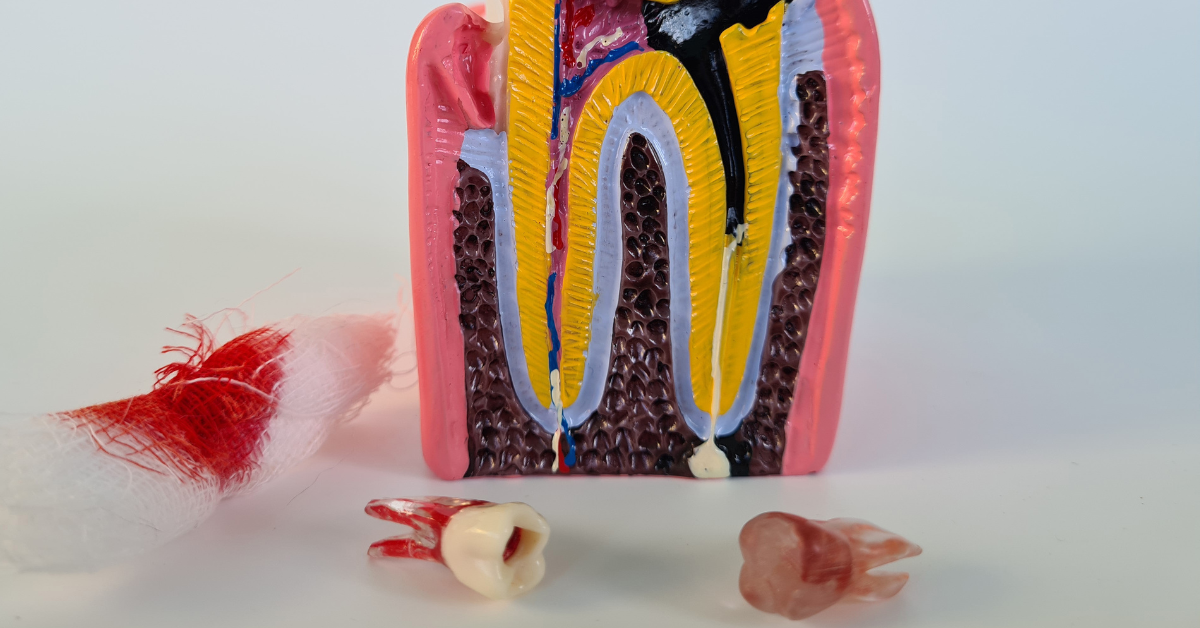
Infections in the mouth and jaw area are usually caused by tooth-related (odontogenic) reasons. These can be seen as dental abscesses, periodontal infections, and bone infections (osteomyelitis). Infections can progress and spread to surrounding tissues and the systemic circulation.
Dental infections are microbial infections that affect the hard tissues of the tooth (enamel, dentin) and surrounding tissues. It is mostly of bacterial origin and can lead to serious complications if left untreated. The infection can spread from the dental pulp to the surrounding bone, gums, and even adjacent anatomical areas.
Dental infections can start with a simple cavity and reach life-threatening dimensions. Therefore, early diagnosis, correct treatment and regular check-ups are of critical importance.
Types of Dental Infections
Apical Periodontitis and Abscess
Deep caries, trauma, or unsuccessful root canal treatment are among the causes. Severe pain, swelling around the tooth, and tenderness when pressing on the tooth are seen. Complications such as abscess formation, spread to sinuses or soft tissues may occur if left untreated.
Pericoronitis
Infection of the gum around a partially erupted tooth (usually in wisdom teeth). It has symptoms such as difficulty in opening the mouth (trismus), swelling, redness, and bad breath.
Periodontal Infections
The spread of infection starting in the gums to deep tissues. Symptoms include: gum bleeding, swelling, tooth mobility, abscess formation.
Osteomyelitis
Infection of the jawbone. It has symptoms such as severe pain, tenderness in the jawbone, fever, and general malaise.
Cellulitis
Spread of infection to soft tissues without being localized. Symptoms include: widespread swelling on the face, redness of the skin, and lymphadenopathy.
Treatment of Dental Infections
Treatment aims to eliminate the source of the infection and prevent the spread of the infection.
Medical Management
- Antibiotic Treatment: Amoxicillin or amoxicillin-clavulanic acid is preferred for mild infections. Clindamycin or metronidazole can be used in those with penicillin allergy.
- Pain and Inflammation Control: Pain management is done with nonsteroidal anti-inflammatory drugs (NSAIDs).
Surgical Management
Surgical intervention includes localizing the infection, providing drainage, and cleaning infected tissues.
- Abscess Drainage: Local anesthesia is applied. The area where the abscess is located is surgically opened and the pus inside is drained to drain the inflammation. If necessary, a drain is placed, and the drain is kept in the area until the infection is completely gone. The tooth needs to be treated (e.g., root canal treatment) to prevent the abscess from recurring.
- Tooth Extraction: If the tooth is beyond repair, the tooth that is the source of the infection is extracted. During extraction, meticulous work is done to prevent the spread of infection to surrounding tissues.
- Endodontic Surgery (Apical Resection): If the infection does not go away despite root canal treatment, the infected root tip of the tooth is surgically removed.
- Pericoronal Cleaning (Pericoronitis Treatment): Infected tissues around the impacted or semi-impacted tooth are surgically cleaned. Tooth extraction may be recommended if the infection recurs.
Advanced Surgical Interventions
- Osteomyelitis Treatment: Infected bone fragments are cleaned in case of osteomyelitis.
- Treatment of Abscesses and Sinus-Related Infections: Infections affecting the sinus cavities (sinusitis) are treated with sinus drainage.
Post-Surgical Care
- Antibiotics and Painkillers: Should be used as recommended by the doctor. Systemic antibiotics support the surgical procedure. The bacteria that caused the infection are determined by culture test.
- Oral Hygiene: Gargle with warm salt water.
- Swelling Control: Cold compresses should be applied within the first 24 hours.
- Nutrition: Soft and warm foods should be preferred, and forcing the infected area should be avoided.
Complications and Precautions
- Complications: Spread of infection to surrounding tissues (e.g., Ludwig’s angina, sinusitis, mediastinitis).
- Precautions: Early diagnosis and treatment of infection. Keeping the patient’s systemic condition (such as diabetes, immune system disorder) under control. Regular dental check-ups.