


How Should You Care for Your Mouth After Implant Treatment?
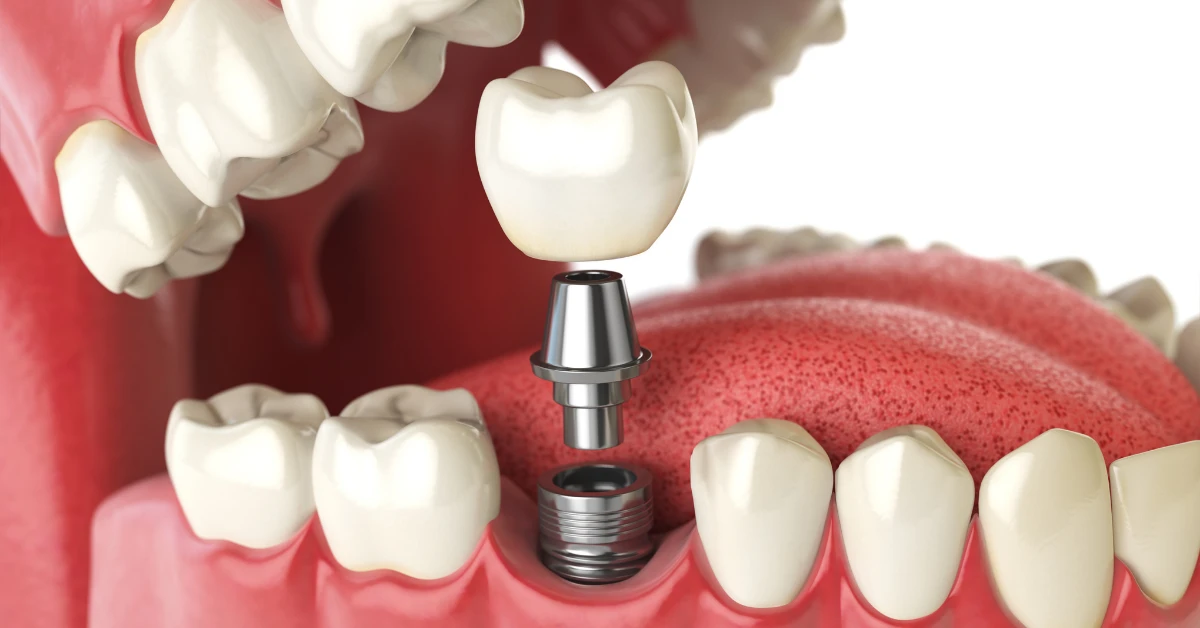
Post-implant oral care is one of the most important factors in ensuring the long-term success of your treatment. Dental implants can serve reliably for decades when properly maintained. However, when care is neglected, serious problems can develop in the tissues surrounding the implant. Adopting the right habits is the most effective way to extend your implant’s lifespan.
Why Do Implants Need Special Care?
A dental implant is a titanium post that replaces the natural tooth root. Unlike natural teeth, implants lack a periodontal ligament — the connective tissue that provides sensory feedback and a degree of natural defence. This means infections around implants can progress more quietly and may go unnoticed longer.
Peri-implantitis, an inflammatory condition affecting the tissues around an implant, is one of the leading causes of implant loss. It typically develops as a result of inadequate oral hygiene and, if not caught early, can cause irreversible bone loss around the implant.
Daily Brushing and Cleaning Routine
A consistent daily routine is essential for keeping the tissues around your implant healthy:
Choosing the Right Toothbrush
A soft-bristle toothbrush cleans effectively without irritating the delicate tissues around the implant. Electric toothbrushes are also suitable, provided you avoid applying excessive pressure.
Interdental Cleaning
The space between the implant and adjacent teeth is a critical area for plaque accumulation. Interdental brushes are often more effective than traditional floss in these areas. Specialised implant floss and water irrigators are also valuable tools for keeping the area clean.
Brushing Technique
Pay particular attention to the junction between the implant and the gum line. Angle the brush at 45 degrees and use gentle, circular motions. Single-tuft brushes can also be helpful for reaching beneath and around the implant prosthesis.
Professional Care and Checkup Frequency
No matter how thorough your home care is, professional assessment and cleaning should be carried out at regular intervals. During routine dental checkups, the health of the tissues around the implant is evaluated and tartar is removed.
For implant patients, checkups are typically recommended every six months. However, individuals with risk factors such as gum sensitivity, smoking habits, or systemic conditions may need more frequent visits.
During professional cleaning, non-metallic instruments are used to avoid damaging the implant surface. This careful approach ensures the surface integrity of the implant is preserved.
Diet and Lifestyle Habits
What you eat and how you live also influence how long your implant lasts:
- Avoid biting very hard items (nutshells, ice) directly with the implant prosthesis
- Sticky foods can encourage plaque build-up around the implant
- Adequate water intake prevents dry mouth and supports bacterial balance
- A balanced diet helps keep the gum tissue around the implant healthy
Smoking and Implant Health
Smoking reduces blood flow to the tissues surrounding the implant, compromising their health. Peri-implantitis risk is significantly higher in smokers. To make the most of the advantages of implant treatment in the long run, reducing or quitting smoking is strongly advised.
Bruxism and Implant Protection
Teeth grinding and clenching places excessive force on the implant prosthesis. Over time, this can damage the prosthetic components and weaken the bond between the implant and the bone. For patients with bruxism, a night guard (occlusal splint) is an effective protective measure.
Signs of Peri-implantitis and Early Warnings
Detecting problems around the implant early significantly improves treatment outcomes. Watch for the following signs:
- Redness, swelling, or bleeding around the implant gum area
- Unpleasant odour or taste coming from the implant site
- Gum tissue pulling away from the implant
- A feeling of looseness in the implant prosthesis
- Pain or discomfort when biting
If you notice any of these symptoms, consult your dentist without delay. Peri-implantitis detected at an early stage can be managed with appropriate treatment.
Care for Different Implant Types
The care routine may vary slightly depending on the implant protocol used. For single tooth implant patients, care closely resembles that of natural teeth. With full-arch protocols like All-on-Four or All-on-Six, cleaning beneath the prosthesis requires additional attention. Water irrigators and specialised cleaning tools are particularly helpful in these cases.
Conclusion
Implant treatment is a long-term investment, and the return on that investment depends on proper care. When daily hygiene, regular professional checkups, and healthy lifestyle habits come together, implants can serve comfortably for many years. At Ayşe Erken Dental Clinic, we support you at every stage — from implant placement to ongoing aftercare. If you have any questions about implant maintenance, feel free to get in touch with us.