


What Should a Daily Gum Care Routine Look Like?
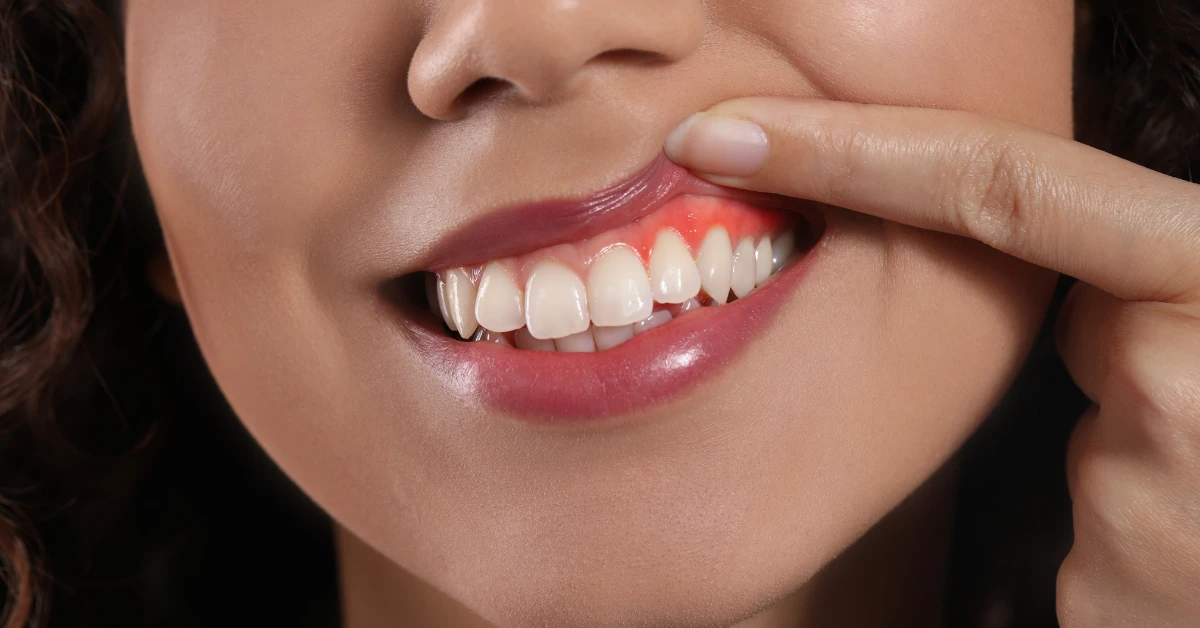
A daily gum care routine is the foundation of lasting oral health. Healthy teeth depend on healthy gums yet gum problems often develop silently, going unnoticed until they become harder to treat. Building the right habits into your daily routine is the most effective way to prevent the majority of gum issues before they start.
Why Does Gum Health Matter?
Gum disease is one of the most common oral health conditions worldwide. The earliest stage, known as gingivitis, typically presents as bleeding during brushing, redness, and swelling. If left untreated, it can progress to periodontitis — a more serious condition involving gum recession, bone loss, and eventually tooth loss.
Periodontal disease does not only affect the mouth. Research has linked chronic gum disease to cardiovascular conditions, complications in diabetes management, and respiratory health concerns. Protecting your gums is, in many ways, an investment in your overall wellbeing.
Proper Brushing Technique
The single most important step in gum care is brushing correctly. Aggressive, back-and-forth scrubbing can damage the gum tissue and contribute to gum recession. A gentler approach is far more effective.
Key points to keep in mind:
- Brush for at least two minutes each session
- Angle the bristles at roughly 45 degrees towards the gum line
- Brush at least twice a day — morning and before bed
- Replace your toothbrush every three months
- Do not forget to brush the tongue surface as well
Use a soft or medium-bristle brush and apply gentle, circular motions rather than forceful horizontal strokes. Electric toothbrushes can be a helpful alternative, especially for those who find it difficult to maintain proper technique manually.
Flossing and Interdental Cleaning
A toothbrush alone can only clean three of the five surfaces of each tooth. The spaces between teeth are where plaque accumulates most readily, and without interdental cleaning, your routine remains incomplete.
Floss at least once a day, ideally before your evening brushing. Wrap the floss into a “C” shape around each tooth and gently slide it beneath the gum line. For wider gaps between teeth, interdental brushes are often more practical and effective.
Mouthwash: When and How?
Mouthwash can complement your daily routine, but it should never replace brushing and flossing. Antiseptic rinses help reduce bacterial load and may lower the risk of gum inflammation.
Choose a mouthwash based on your dentist’s recommendation. Alcohol-based products can cause dryness with prolonged use, while fluoride rinses offer the added benefit of strengthening enamel.
Diet and Gum Health
What you eat has a direct impact on your gums. Vitamin C deficiency, for example, is closely associated with bleeding and weakened gum tissue. A diet rich in fruits, vegetables, and protein supports tissue repair and resilience.
Habits that can harm your gums include:
- Excessive consumption of sugary foods and drinks
- Frequent intake of acidic beverages
- Biting into hard foods carelessly
- Insufficient water intake throughout the day
Snacking between meals creates a continuously acidic environment in the mouth, accelerating plaque formation. A simple rinse with water after snacking can make a meaningful difference.
Smoking and Gum Health
Smoking is one of the most significant risk factors for gum disease. Nicotine constricts blood vessels, reducing circulation to the gums. This makes gum disease more likely to develop and more difficult to treat. Smoking can also mask symptoms like bleeding, delaying detection of problems that are already progressing.
The Role of Professional Cleaning
No matter how diligently you brush, plaque tends to harden into tartar in certain areas over time. Tartar is one of the primary triggers of gum inflammation and cannot be removed at home.
Regular professional tartar removal is a critical step in maintaining gum health. During routine dental checkups, your dental team removes accumulated tartar and assesses the condition of your gums, catching early signs of disease before they progress.
Early Warning Signs of Gum Problems
Pay attention to the following signs during your daily routine, as early intervention can make all the difference:
- Bleeding during brushing or flossing
- Redness, swelling, or tenderness in the gums
- Gums that appear to be pulling away from the teeth
- Persistent bad breath
- A feeling of looseness in any tooth
If you notice any of these symptoms, consult a dentist without delay. Gingivitis detected early is fully reversible with appropriate care.
Conclusion
Healthy gums are the foundation of strong teeth and overall oral health. When proper brushing, flossing, a balanced diet, and regular dental visits come together, the vast majority of gum problems can be prevented. At Ayşe Erken Dental Clinic, we support your gum health at every stage — from periodontal treatments to preventive guidance. If you have any concerns about your gums, feel free to get in touch with us.